Raising awareness in the forestry sector

Ajouter aux favoris

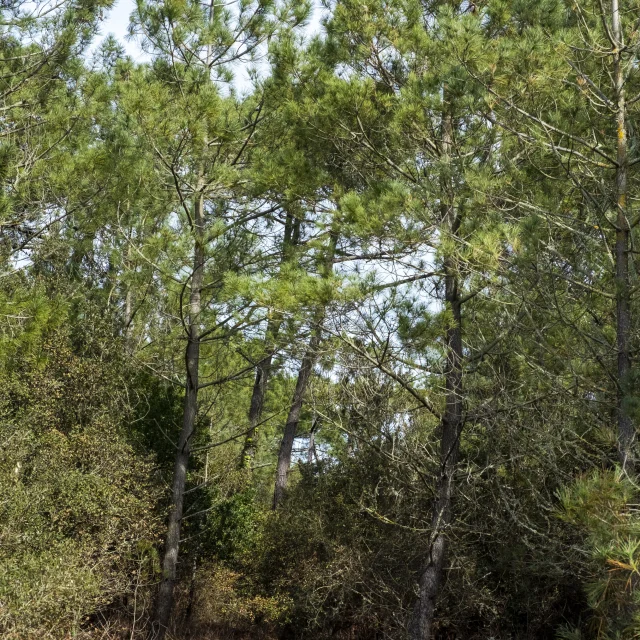
The island of Ré has several wooded areas. For a long time, the island had no forests, as most of its land surface was covered by vines. These wooded areas eventually developed on sandy soils of low fertility. In the 1950s, just after the war, on land occupied by the German army during the Second World War, plantations of maritime pines gave rise to the island’s 4 state-owned forests: Lizay, Combe à l’Eau, Trousse Chemise and Bois Henri IV. These forests protected the coastline.

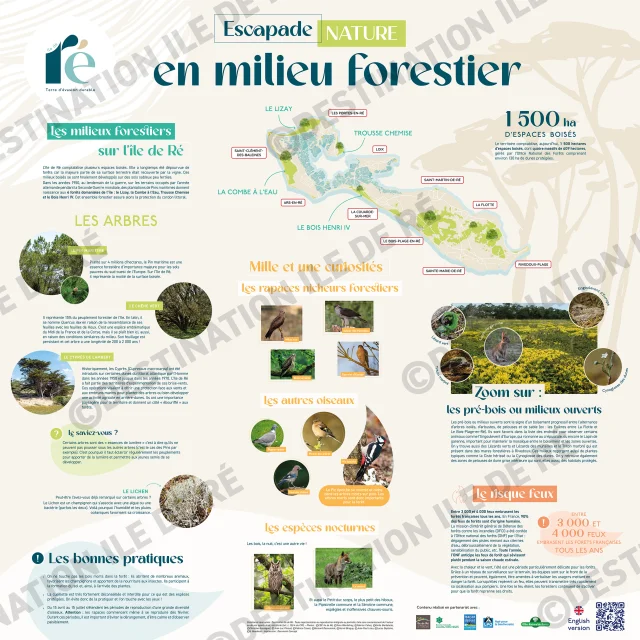
The trees

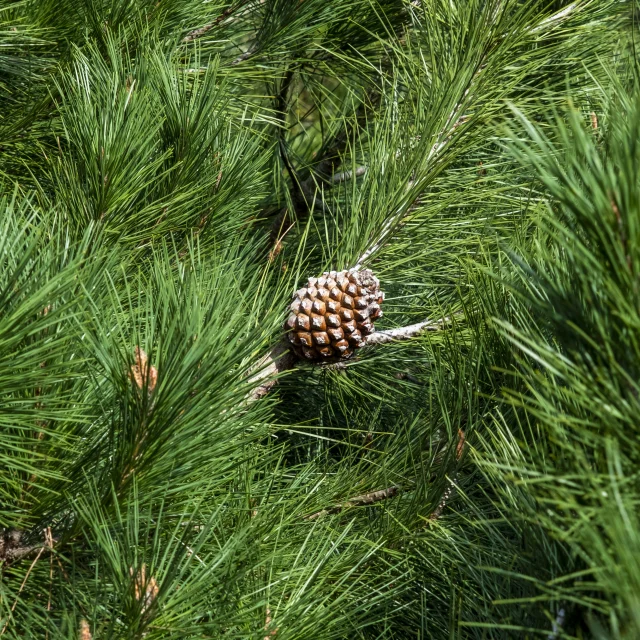
Maritime pine

Planted on 4 million hectares, Pinus pinaster is a forest species of major importance for the poor soils of south-west Europe. On the Ile de Ré, it accounts for half of the wooded area.

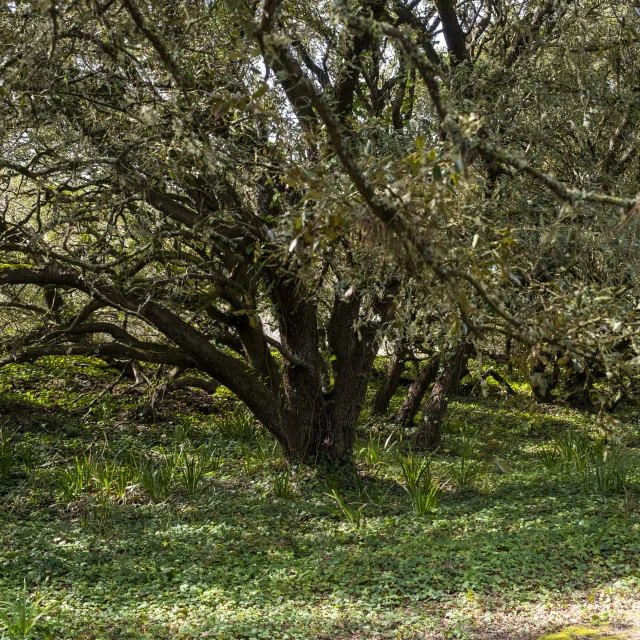
Holm oak

In Latin, it is called Quercus ilex because its leaves resemble holly leaves. It is an emblematic species of southern France and Corsica, but it also thrives here because of the similar environmental conditions. It accounts for 15% of the island’s forests. Its foliage is evergreen and the tree can live for 200 to 2,000 years!
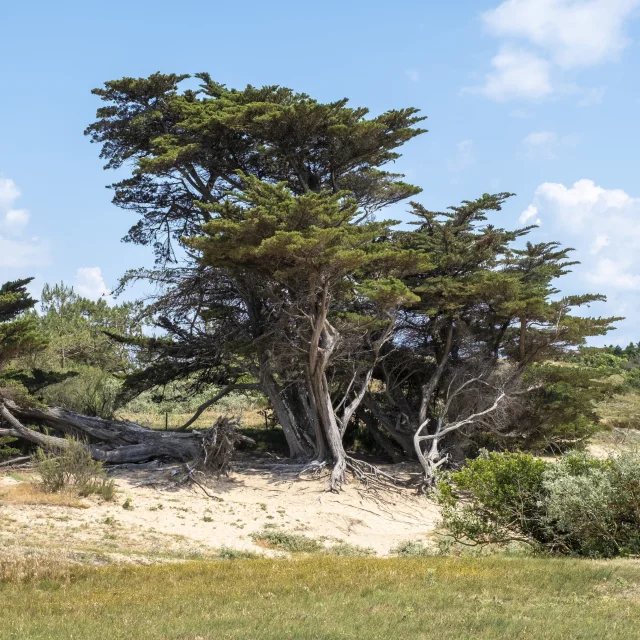
Lambert cypress

Introduced to the Atlantic dunes between 1950 and 1970, cypress trees were used as windbreaks to protect plantations and crops. On the Ile de Ré, they mark the landscape and give the forests a ruffled appearance.

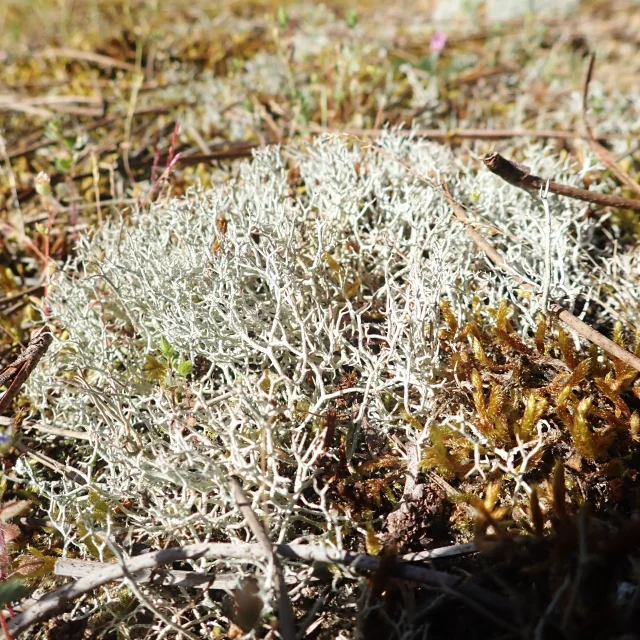
Lichen

Perhaps you’ve already noticed it on certain trees? Lichen is a fungus that associates with algae or bacteria (sometimes both). That’s why humidity and ocean rain favour its growth.

Did you know?

Some trees are “light species”, meaning that they cannot grow under other trees (e.g. pines). This is why stands need to be thinned regularly to provide light and allow young seedlings to develop.

Good practice

  • Dead wood in the forest should not be touched: it is home to many animals and a breeding ground for fungi and insects. They also help to form the soil.
  • Picking is strongly discouraged and prohibited for protected species.
  • From 15 April to 15 July, the breeding season for many birds (birds of prey from February), it is important to avoid disturbance, to be calm and to observe peacefully.

A thousand and one curiosities

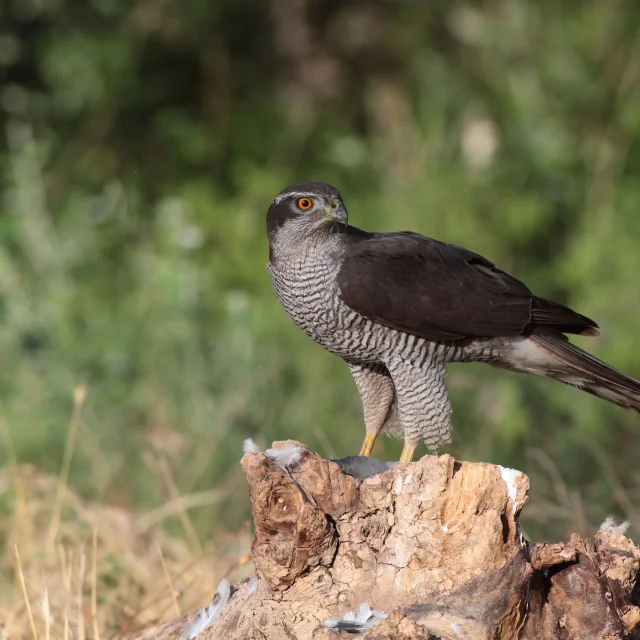
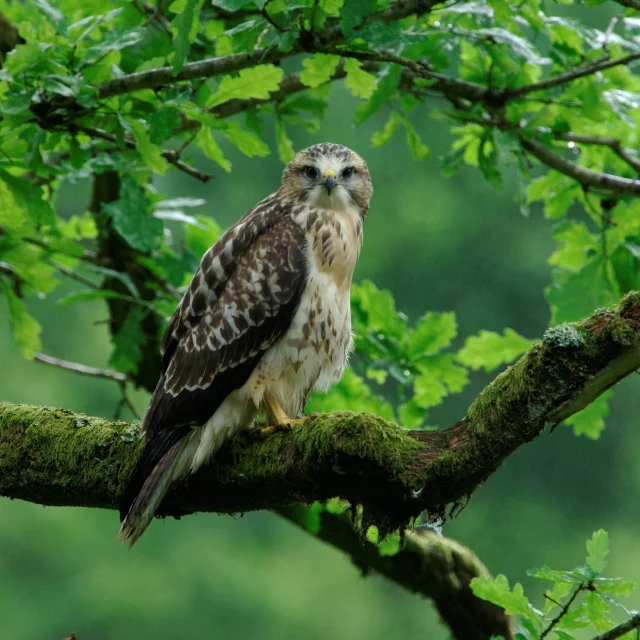
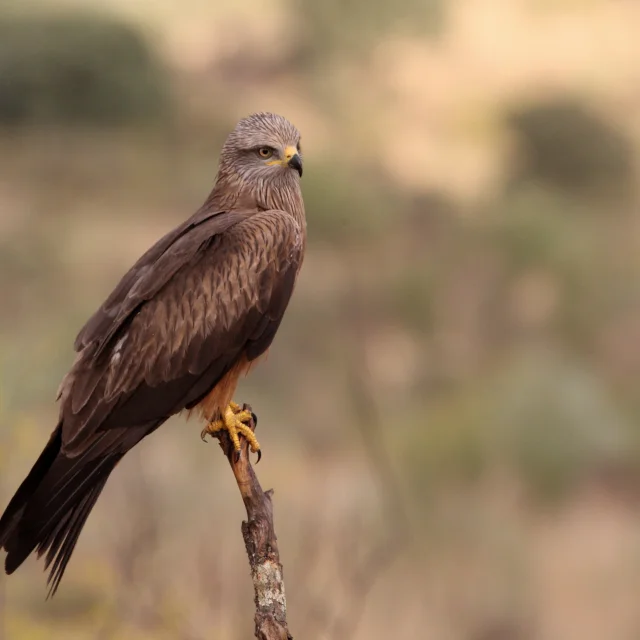
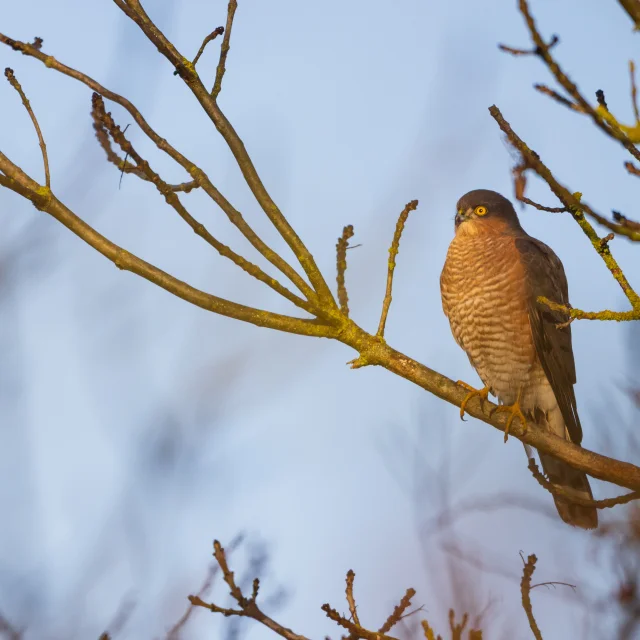
Forest breeding birds of prey

  • Common Buzzard
  • Black kite
  • European Sparrowhawk
  • Northern Goshawk

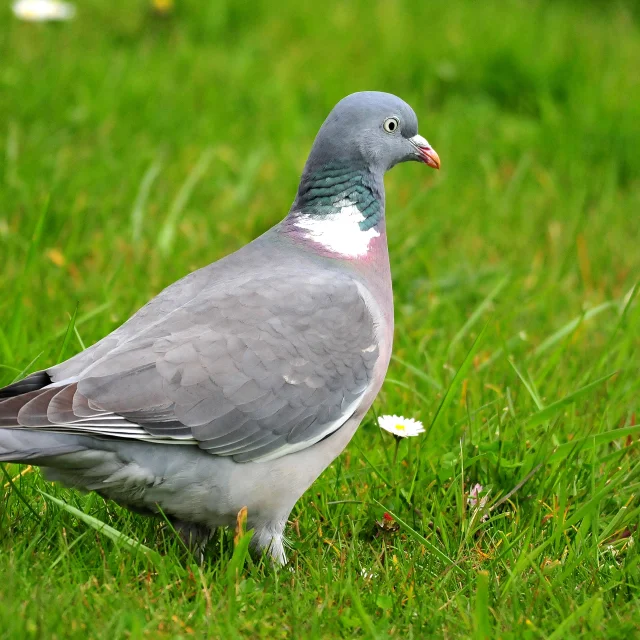
Other birds

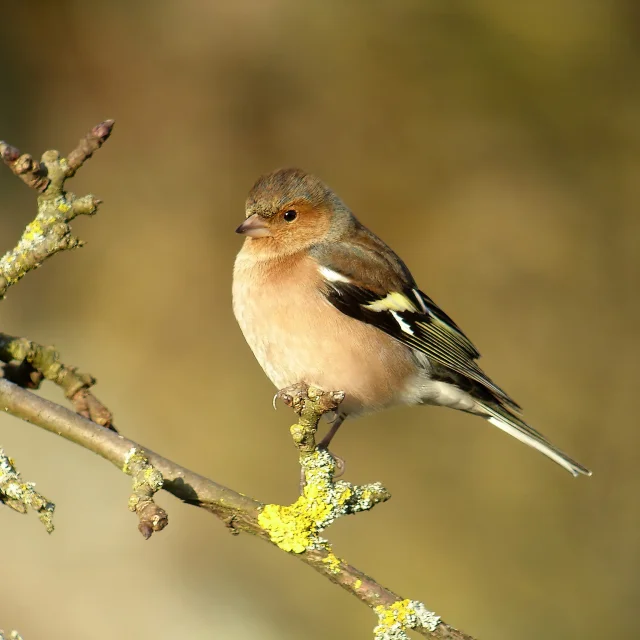
  • Tree finch
  • Wood pigeon
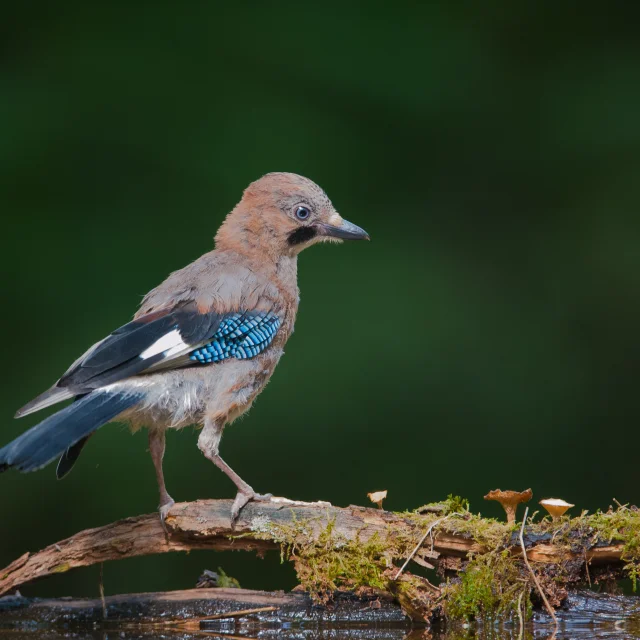
  • Jay
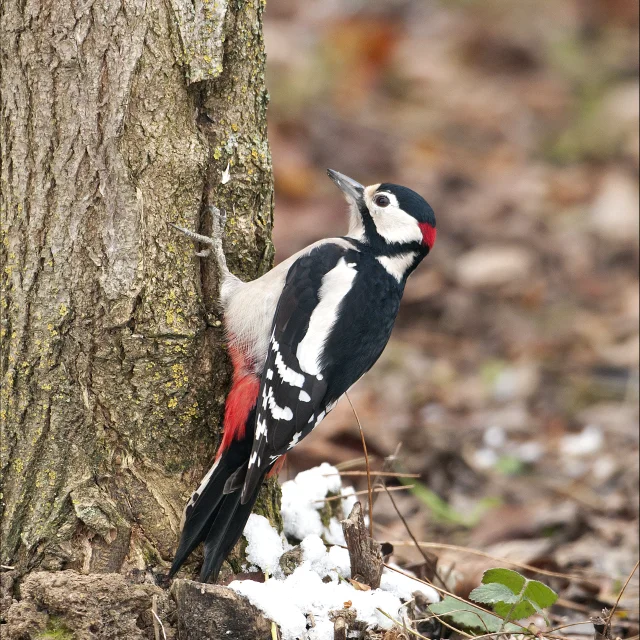
  • Spotted woodpecker (the spotted woodpecker feeds and nests in standing dead trees, so they are important)

Nocturnal species

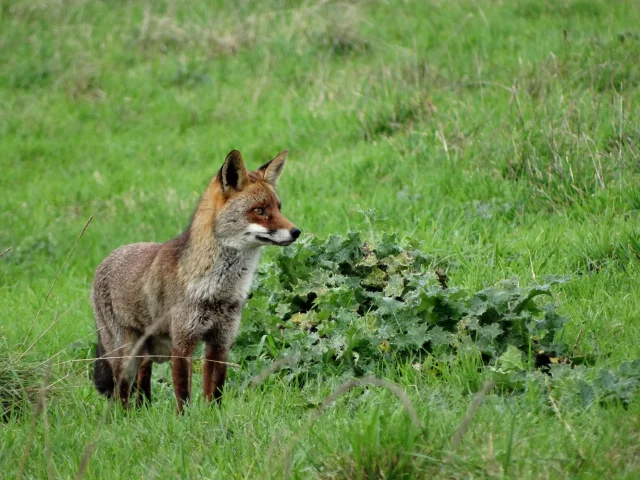
  • The fox
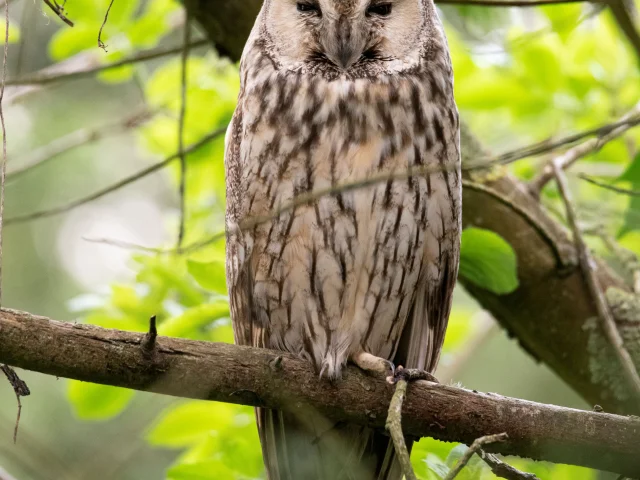
  • Long-eared owl
  • Scops owl (the smallest of the owls)
  • Common pipistrelle
  • Common serotine (playful and harmless bats)

Focus on pre-woodland or open areas

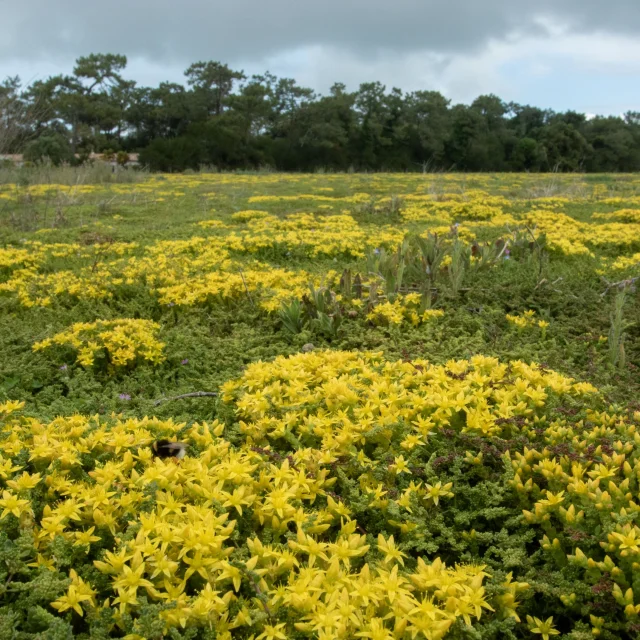
Prewoods or open areas are the result of gradual afforestation between alternating isolated trees, shrubs, lawns and sand (e.g. the Evières between La Flotte and Le Bois-Plage-en-Ré). These areas are ideal for observing certain animals such as the European nightjar, which purrs at dusk, and the wild rabbit, which is important for maintaining the mosaic between woodland and open areas. There are also green lizards, wall lizards and the marbled newt (found in forest pools at Rivedoux-Plage). These environments are also teeming with typical plants such as Spiked Rock Fungus and Dune Cynoglossa. There are also areas of inner grey dune grassland, which are protected habitats.

The risk of fire

Between 3,000 and 4,000 fires burn in French forests every year. In France, 90% of forest fires are caused by humans. The Office National des Forêts (ONF) has been entrusted by the French government with the general interest mission of defending forests against fire: clearing tracks leading to water tanks, clearing undergrowth, raising public awareness, etc. All year round, the ONF anticipates fires, which are particularly rife in summer. Thanks to the surveillance network, the teams spot fires, alert the fire brigade and intervene. Once the fires have been extinguished, the foresters take action to help the forest regain its rights.